
Skills Teenagers Need for Future Jobs
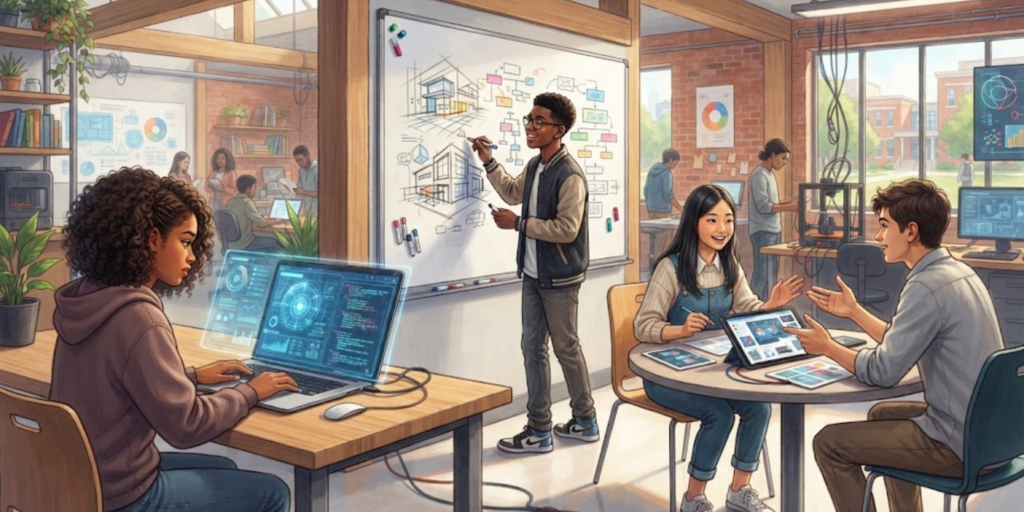
The skills teenagers build today can shape the opportunities they have tomorrow. Future Jobs will not depend only on school grades or one qualification. Employers increasingly look for people who can use technology, solve problems, communicate clearly, adapt to change, and keep learning. The World Economic Forum’s Future of Jobs Report 2025 says many workplace skills are expected to change by 2030, with AI, big data, cybersecurity, technological literacy, creative thinking, and adaptability becoming increasingly important. This means building practical, digital, and human skills that can grow with changing careers.
Why Should Teenagers Prepare for Future Jobs?
Artificial intelligence, automation, digital tools, and new industries are changing the workplace. New roles are also appearing in areas such as AI, data, cybersecurity, renewable energy, healthcare, education, and digital services.
The World Economic Forum projects 170 million new jobs could be created by 2030, while 92 million roles could be displaced. It also estimates that about 39% of workers’ existing skill sets could change or become outdated by 2030. This is not a reason to worry about choosing the perfect career now. Instead, it shows why learning how to adapt matters.
Students can start with projects, clubs, courses, or creative activities.
1. Digital and Technological Literacy
Basic technology skills are useful in almost every career. Teenagers should know how to use computers, search for reliable information, manage files, work with common productivity tools, and learn new software.
Digital literacy also means understanding how technology affects work. A future teacher may use AI for learning materials, while a designer or marketer may use digital tools for daily tasks.
The goal is not to master every tool. Teenagers should become comfortable learning unfamiliar tools.
For a broader list of useful technology abilities, check out 10 technology skills teens can learn.
2. AI Literacy
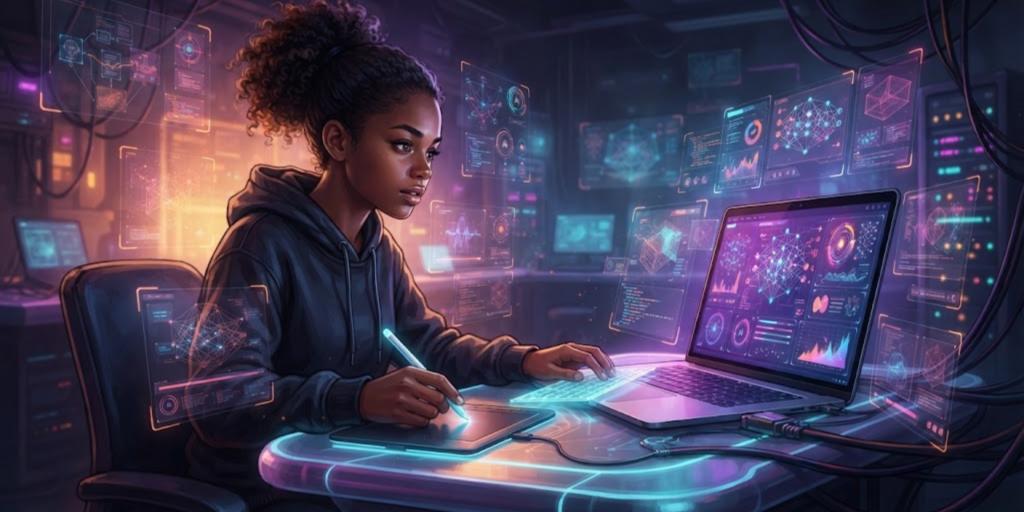
AI is becoming part of many workplaces, so teenagers can benefit from learning what AI can and cannot do. AI literacy includes writing clear prompts, checking AI-generated information, protecting private information, and using AI as a learning or productivity tool rather than blindly trusting it.
Students can use AI to brainstorm ideas, explain difficult concepts, or create study questions. They should still verify important information and make their own decisions.
AI skills are not limited to programmers. Writers, teachers, designers, business workers, and researchers may also use AI tools.
3. Analytical Thinking and Problem-Solving
Knowing how to use a tool is helpful, but knowing how to solve a problem is even more valuable. Analytical thinking means breaking a problem into smaller parts, looking at evidence, identifying patterns, and choosing a sensible solution.
The World Economic Forum identifies analytical thinking as a leading employer skill. Teenagers can develop it through mathematics, coding, science projects, puzzles, and research.
For example, if a website loads slowly, a student could list possible causes, test each one, and compare the results instead of randomly changing settings.
4. Communication Skills
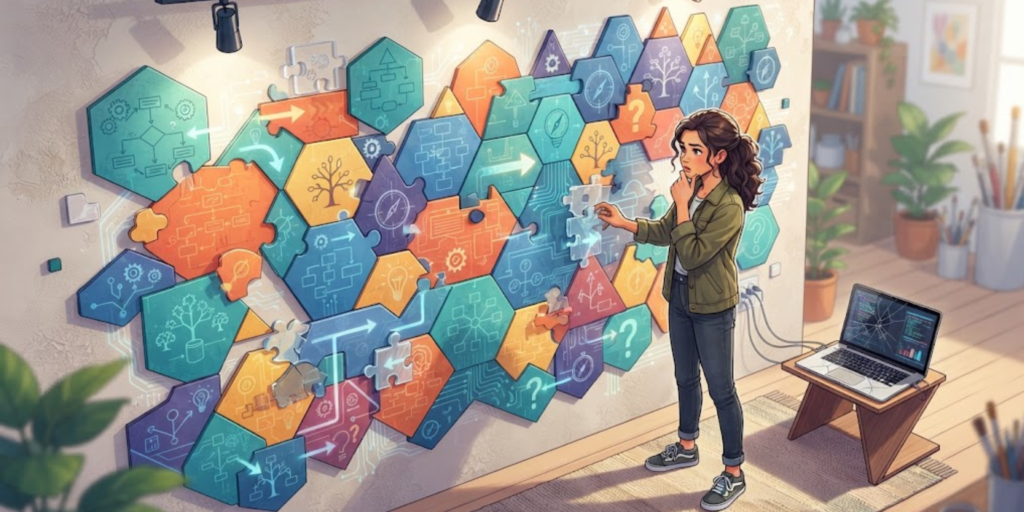
Strong communication helps people explain ideas, ask questions, write clearly, and work with others. Even technical jobs require communication because employees often need to explain their work to teammates, customers, managers, or clients.
Students can build communication skills through presentations, reports, discussions, videos, or explanations. Listening carefully is just as important as speaking.
Clear communication helps other people understand and use the ideas you share.
5. Creative Thinking
Future Jobs will need people who can create new ideas instead of only following instructions. Creative thinking can help teenagers design projects, find different solutions, improve products, and approach problems from new angles.
Creativity is not limited to art or writing. A programmer can find a creative solution, while an entrepreneur can notice a problem and develop a useful service.
Try asking, “Is there another useful way?” That simple habit can encourage flexible thinking.
6. Cybersecurity and Online Safety
As more work moves online, basic cybersecurity knowledge is increasingly useful. Teenagers should know how to create strong passwords, recognize suspicious messages, protect personal information, use security settings, and understand common online scams.
These habits matter even if a student never becomes a cybersecurity professional. Future employees may handle customer information, company files, or private communications.
Teenagers can review CISA’s official cybersecurity guidance.
7. Adaptability and Resilience
Technology and workplaces will continue to change, so teenagers need to become comfortable learning new things. Adaptability means adjusting when a tool, task, subject, or career plan changes.
Resilience means continuing after mistakes or setbacks. A student stuck while learning code can review the error, find an explanation, try again, and learn from the process.
These skills matter because career paths and technologies can change.
8. Collaboration and Teamwork
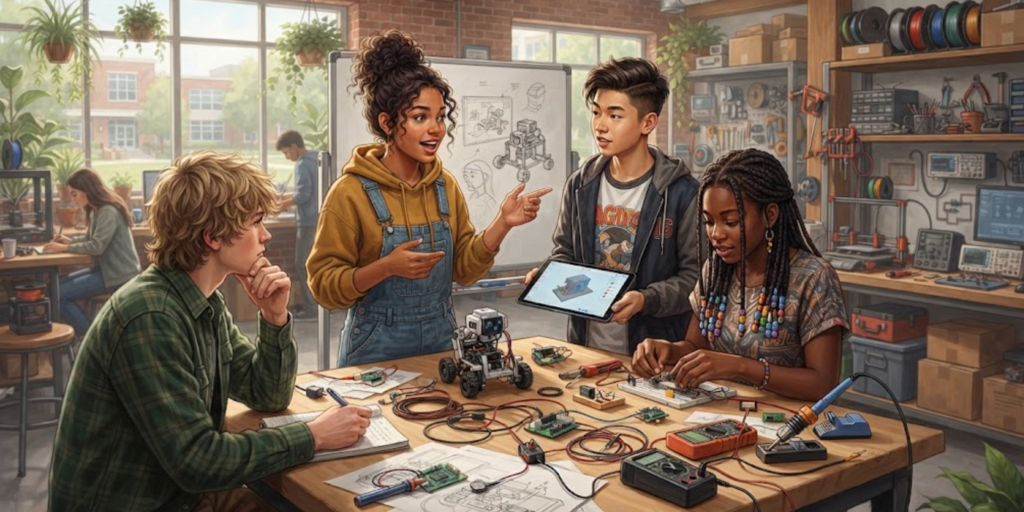
Many jobs involve working with other people. Teenagers should learn how to share ideas, divide responsibilities, respect different opinions, and contribute to group projects.
Good teamwork does not mean agreeing with everyone. It means listening, explaining ideas respectfully, and focusing on a shared goal.
Students can practice through school projects, clubs, sports, volunteer activities, or group work.
9. Learning How to Learn
One of the most useful skills for Future Jobs may be knowing how to learn independently. New software, AI tools, programming languages, and workplace systems can appear throughout a career.
Teenagers can build this skill through tutorials, courses, documentation, and practice projects. Instead of memorizing every answer, focus on learning how to find, evaluate, and apply information.
If something is confusing, ask questions and explore it instead of giving up.
For more ideas about building a wider skill set, see 10 skills for teenagers worth learning.
10. Leadership and Self-Management
Leadership is not only about becoming a manager. Teenagers can practice leadership by taking responsibility, organizing a project, helping teammates, making decisions, and following through on commitments.
Self-management includes setting goals, managing time, staying organized, and finishing tasks.
A student might set a goal to complete a coding project in two weeks. Planning and finishing it provides practical experience with responsibility.
How Can Teenagers Start Building These Skills?
Teenagers do not need to master all ten skills at once. Choose two or three areas and practice them through real activities.
For example:
- Learn basic coding and build a small website.
- Use an AI tool for brainstorming, then fact-check its answers.
- Give a short presentation about a technology topic.
- Join a school project and take responsibility for one part.
- Review account security settings and improve weak habits.
- Start a portfolio with school, coding, design, or writing projects.
- Learn one new digital tool and create something with it.
Projects are useful because they turn knowledge into evidence of what you can actually do.
Students can also explore 10 essential skills students need to succeed.
Do Teenagers Need to Learn Coding for Future Jobs?

Not every teenager needs to become a programmer. However, basic coding can strengthen problem-solving, logical thinking, and digital confidence. It can also help students understand how software works.
Coding is only one option. A teenager interested in design might explore UI design, while someone interested in business could learn spreadsheets or digital marketing. Others may enjoy cybersecurity, writing, data, education, or healthcare technology.
Build skills that match your interests while staying open to new career options.
Frequently Asked Questions (FAQ)
1. What are the most important skills for future jobs?
Important skills include technological literacy, AI awareness, analytical thinking, creative thinking, communication, teamwork, adaptability, problem-solving, and continuous learning.
2. Should teenagers learn AI skills?
Yes. Basic AI literacy can help teenagers understand AI tools, use them responsibly, check their output, and prepare for workplaces where AI may become part of everyday tasks.
3. Is coding necessary for future jobs?
No. Coding can be valuable, but future jobs will require many different skills. Communication, creativity, problem-solving, digital literacy, teamwork, and adaptability are useful across many careers.
4. How can teenagers gain job-ready skills without a job?
They can build projects, join clubs, complete courses, create portfolios, volunteer, participate in competitions, and take responsibility for school or personal projects.
5. Why is adaptability important for future careers?
Technology and workplace requirements can change. Adaptable people can learn new tools, adjust their approach, and continue developing their skills.
6. Can school help students prepare for future jobs?
Yes. School can build communication, mathematics, research, problem-solving, teamwork, and learning habits. Students can strengthen these skills through projects and independent practice.
7. How many skills should a teenager learn?
There is no fixed number. Develop a few skills well, then gradually add more.
Conclusion
Preparing for Future Jobs does not mean predicting exactly what career you will have years from now. It means building skills that stay useful when technology and workplaces change. Digital literacy, AI awareness, problem-solving, communication, creativity, cybersecurity, adaptability, teamwork, independent learning, and self-management can give teenagers a strong foundation.
Start small. Choose a skill, practice it through a project, and learn from mistakes. Over time, these small steps can become a valuable skill set for school, future careers, and a changing world.