
What Is E-Sports and How Does It Work
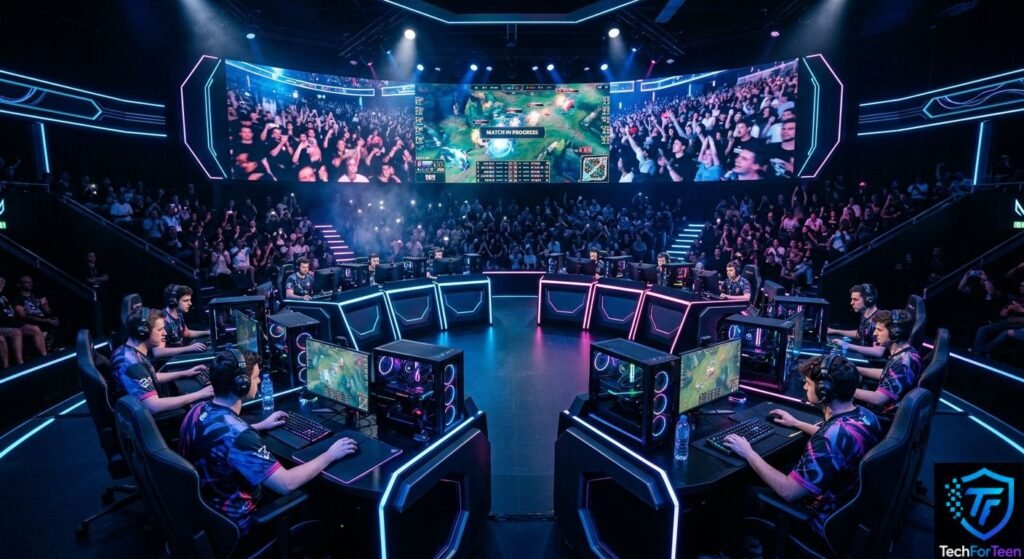
If you enjoy playing video games, you may have heard the term e-sports before. You might have seen professional players competing in front of huge audiences, watched gaming tournaments online, or noticed esports competitions appearing alongside traditional sports. But what is e-sports, and how does it actually work?
E-sports, short for electronic sports, is organized competitive video gaming. Instead of simply playing a game for fun, players or teams compete according to specific rules, often in leagues and tournaments. These competitions can take place online or at live events, with audiences watching in person or through broadcasts.
E-sports has become an important part of modern gaming culture. It combines gaming, competition, technology, teamwork, entertainment, and broadcasting into one industry. Now, let’s see how e-sports works behind the scenes.
What Games Are Played in E-Sports?
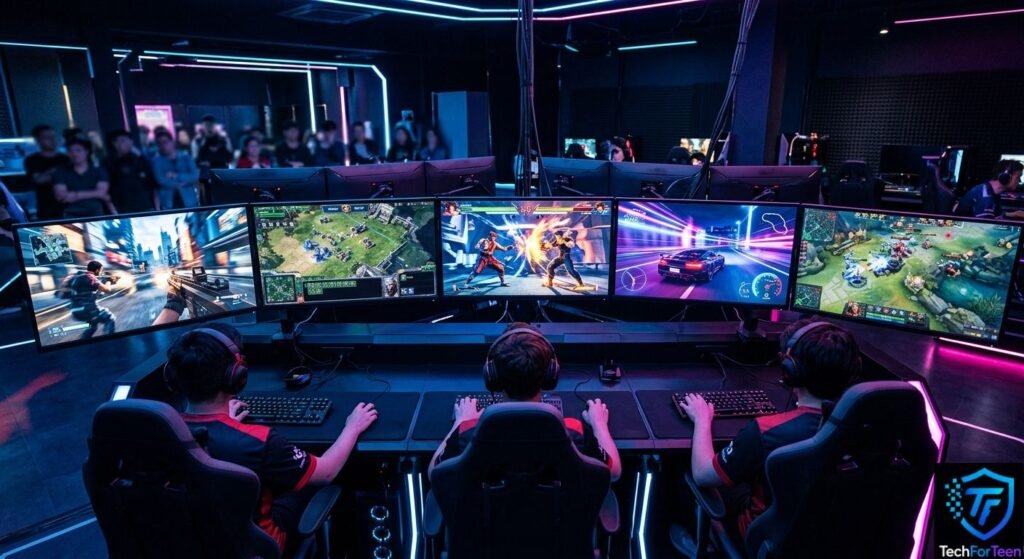
Not every video game automatically becomes an esport. A game generally needs a strong competitive element and an organized community or competition system around it.
Many different types of games can be used for esports, including:
- First-person shooter games
- Multiplayer online battle arena games
- Fighting games
- Real-time strategy games
- Sports simulation games
- Battle royale games
- Strategy and card-based games
Some well-known esports titles include League of Legends, Counter-Strike, VALORANT, Dota 2, Street Fighter, StarCraft, and other competitive games.
Each type of game requires different skills. A strategy game may require careful planning, while a team-based game can require communication and quick decision-making.
Who Takes Part in E-Sports?
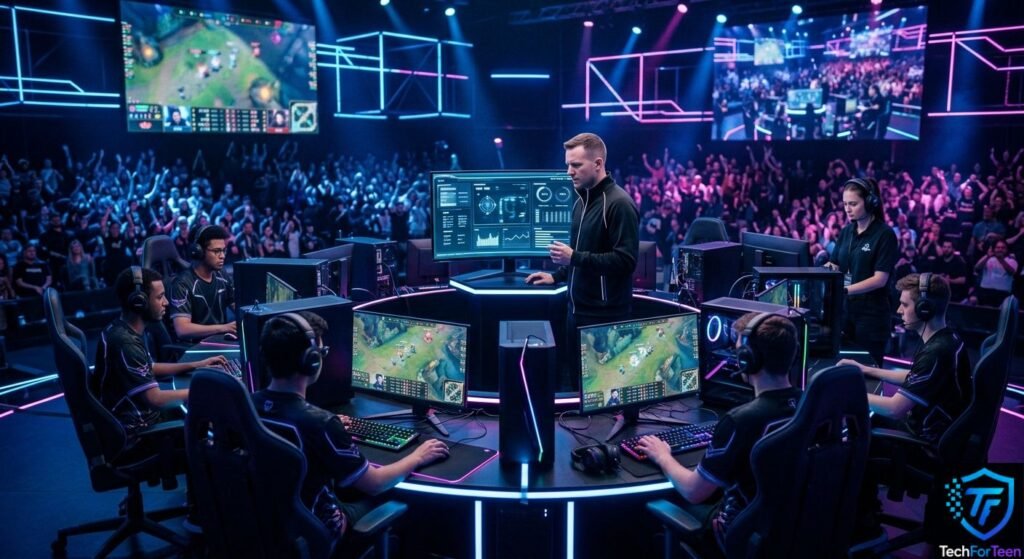
There are many different people involved in an esports competition. Professional players are the most visible, but they are only one part of the larger system.
Players
Players are the competitors. They spend time practicing their game, learning strategies, improving their reactions, and studying opponents.
Professional players often compete as part of an esports organization or team. Some competitions are individual, while others require coordinated teams.
Teams
Team-based esports requires players to work together. Every player has a specific role and job to do during the game.
Good communication is extremely important because teammates need to make decisions quickly during matches.
Coaches
Coaches help teams prepare for competitions. They can study previous matches, identify weaknesses, plan strategies, and help players prepare for opponents.
Referees and Officials
Competitive events need rules and people who can enforce them. Officials can monitor matches, handle rule violations, and help ensure that competitions are conducted fairly.
Tournament Organizers
Tournament organizers create and manage competitions. They can be responsible for schedules, rules, venues, broadcasts, registration, and other parts of an event.
This means esports is much bigger than simply having people play video games against each other.
How Do E-Sports Tournaments Work?
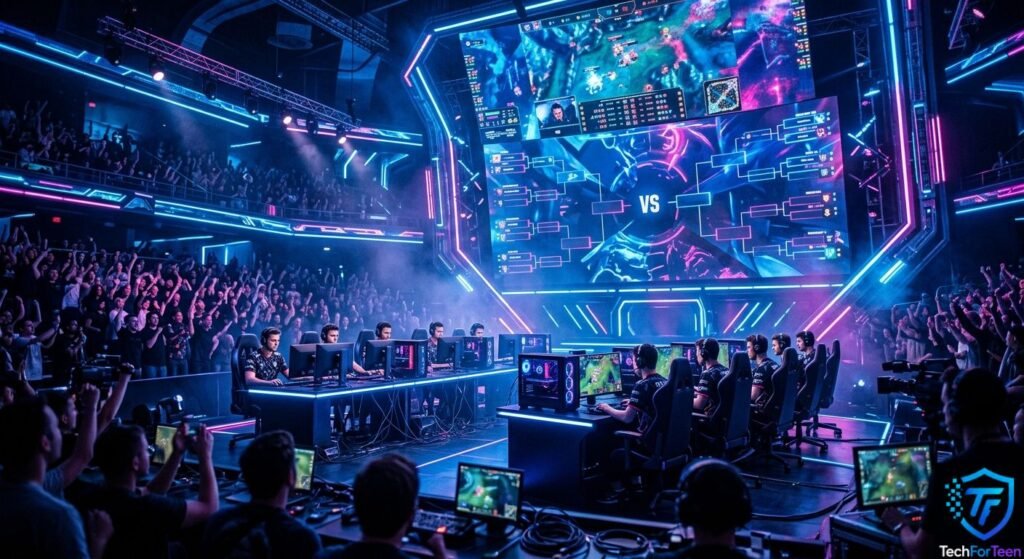
Esports tournaments can follow different competition formats depending on the game and organizer.
A popular format is single elimination, where a team is removed from the tournament after losing a match.
In double elimination, teams get a second chance because one loss does not immediately end their tournament run.
Some tournaments start with a group stage, where teams compete in multiple matches. The teams with the strongest results then advance to the playoff rounds.
Tournament formats can vary from one competition to another. Some events are played entirely online, while larger tournaments may take place in special venues where audiences can watch the matches in person.
How Do Professional Esports Players Train?
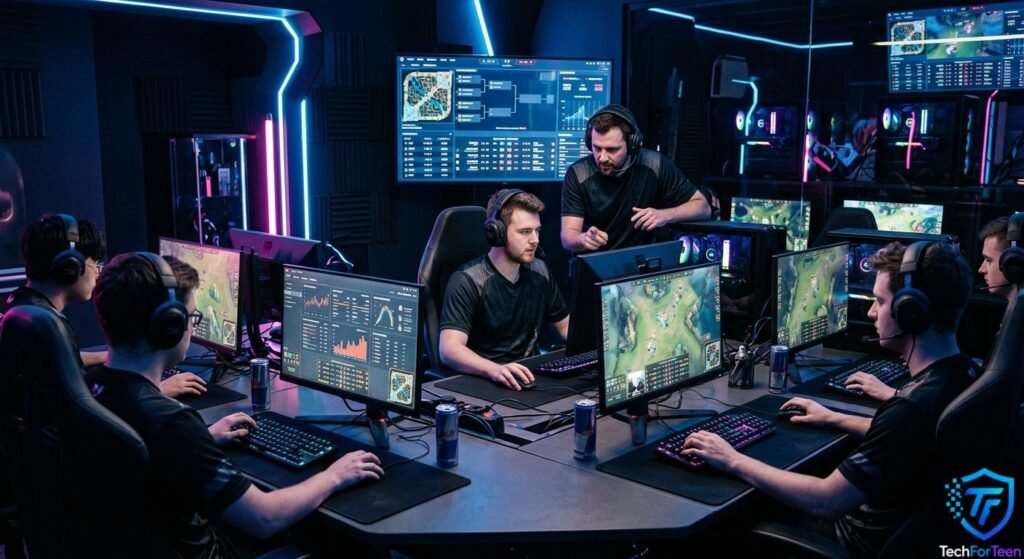
Being good at a video game does not automatically make someone a professional esports player.
Competitive players need to develop several skills. These can include game knowledge, communication, teamwork, decision-making, concentration, and the ability to remain focused during difficult matches.
Teams can also review previous games to understand what went well and what could be improved. Some professional organizations have dedicated training facilities where players practice and receive support from coaches and other staff.
Training is therefore not simply about playing for hours. Professional esports involves preparation, teamwork, analysis, and consistent practice.
How Do People Watch E-Sports?
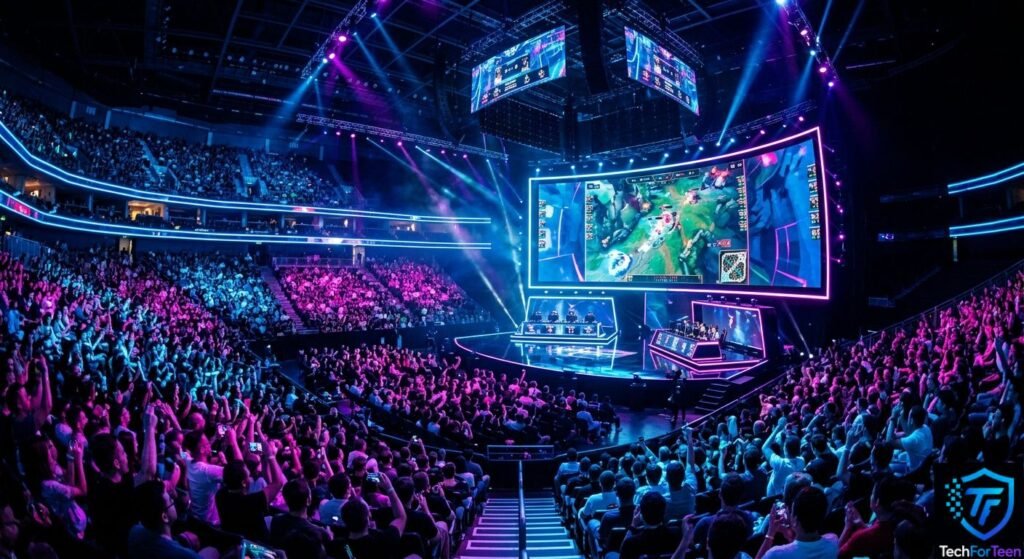
One of the most important parts of esports is its audience.
People can watch competitions online or attend live events. Online broadcasts allow fans from different countries to follow matches without being physically present.
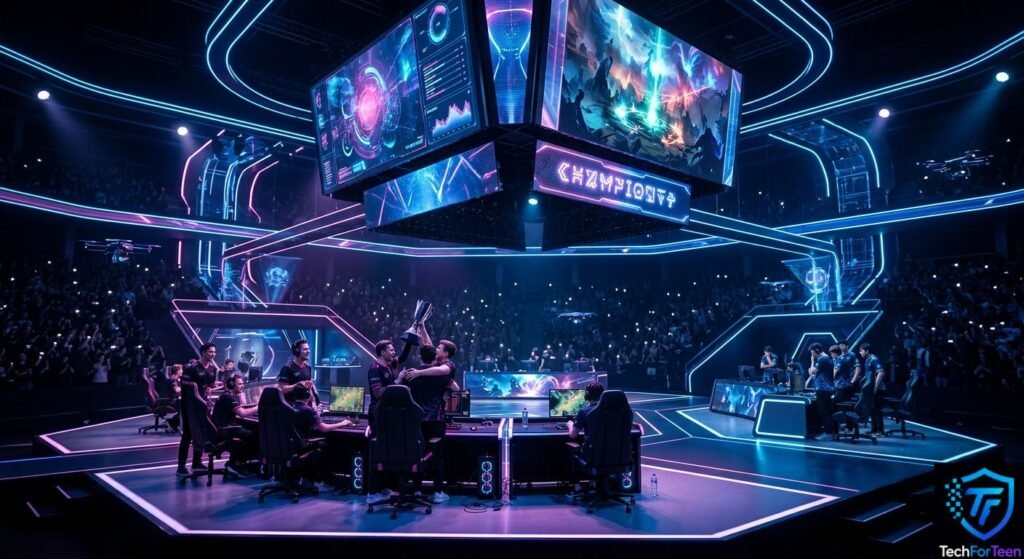
Live esports events can look similar to other major competitions. Players may compete on a stage while spectators watch on large screens. Commentators explain what is happening and help the audience understand important moments.
Streaming has also played a major role in the growth of esports by making competitive gaming easier for audiences to watch.
How Do E-Sports Players and Teams Make Money?
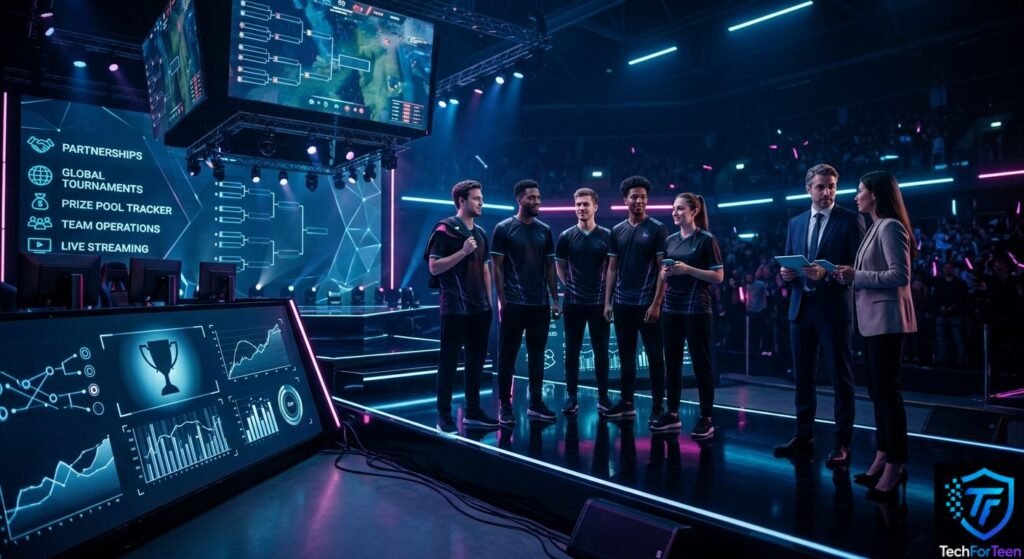
Professional esports can involve several sources of income.
Players and teams may receive money through tournament winnings, salaries, sponsorships, and other commercial opportunities. The exact opportunities vary depending on the game, team, competition, and player’s level.
Sponsors are also important because esports events attract audiences interested in gaming and technology.
However, becoming a professional player should not be viewed as an easy way to make money. The competitive level is high, and only a small portion of players reach the professional level.
Is E-Sports a Real Sport?
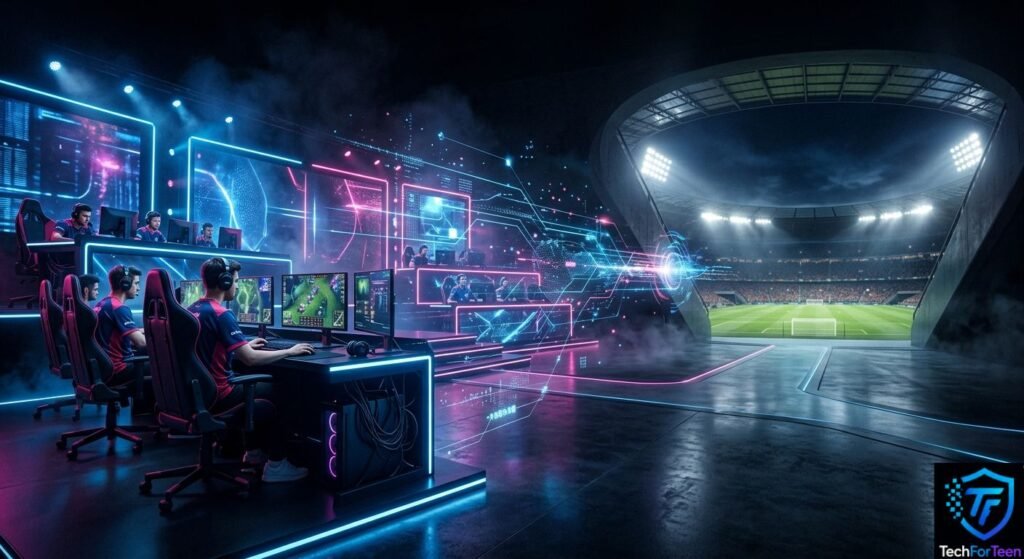
This is one of the most interesting questions about esports.
Some people consider esports a sport because it involves organized competition, rules, professional players, training, teamwork, and spectators. Others argue that traditional sports involve much more physical activity.
There is still discussion about exactly how esports should be classified. Researchers and sports organizations have examined the similarities and differences between esports and traditional sports.
Regardless of the debate, esports clearly has many features of organized competitive activities, including professional leagues, tournaments, coaching, spectators, and international events.
Why Is E-Sports Popular With Teens?
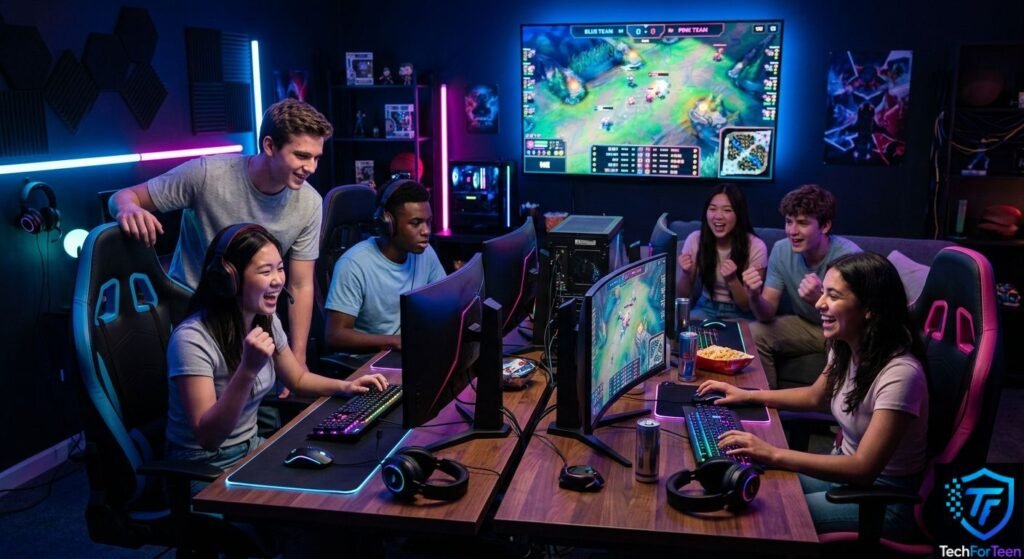
Gaming is already a major form of entertainment for many young people, so competitive gaming can naturally attract teenagers who enjoy playing and watching games.
E-sports can also teach useful skills when approached in a balanced way. Team-based games can involve communication and cooperation, while strategy games can require planning and decision-making.
At the same time, gaming should remain balanced with school, sleep, physical activity, family time, and other interests. Being interested in esports does not mean you need to spend all your free time gaming.
What Is the Future of E-Sports?
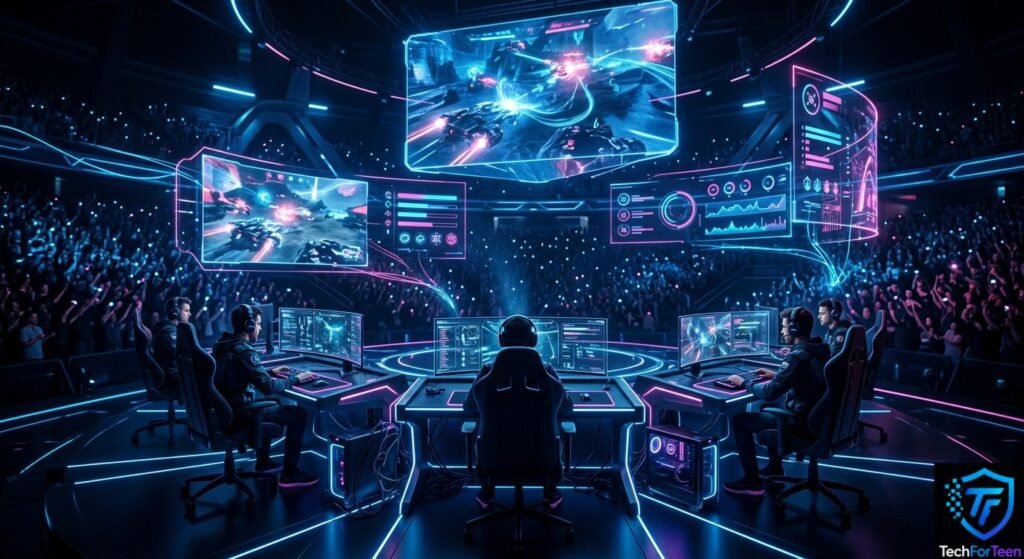
The future of esports is closely connected to technology.
Better computers, faster internet connections, improved graphics, streaming technology, virtual reality, and artificial intelligence could all influence how people play and watch competitive games.
Esports is also becoming an area of interest for education, business, media, and technology. Universities and other organizations have developed esports-related programs and activities, while the broader industry continues to create opportunities beyond playing games.
This means future esports careers may not be limited to professional players. The industry can also involve coaching, broadcasting, event management, game development, content creation, marketing, technology, and other roles.
Final Thoughts
So, what is e-sports?
In simple terms, e-sports is organized competitive video gaming. Players compete individually or as teams in structured matches, leagues, and tournaments. Behind the players are coaches, organizers, referees, broadcasters, sponsors, and many other people who help make competitions possible.
What makes esports different from ordinary gaming is its competitive structure. A game becomes part of esports when organized competitions, rules, players, teams, and audiences come together.
For teenagers interested in gaming and technology, understanding esports is a great way to see how video games have developed beyond simple entertainment. Today, competitive gaming combines technology, teamwork, strategy, communication, and entertainment—and it continues to grow as an important part of modern digital culture.