
Benefits of ChatGPT
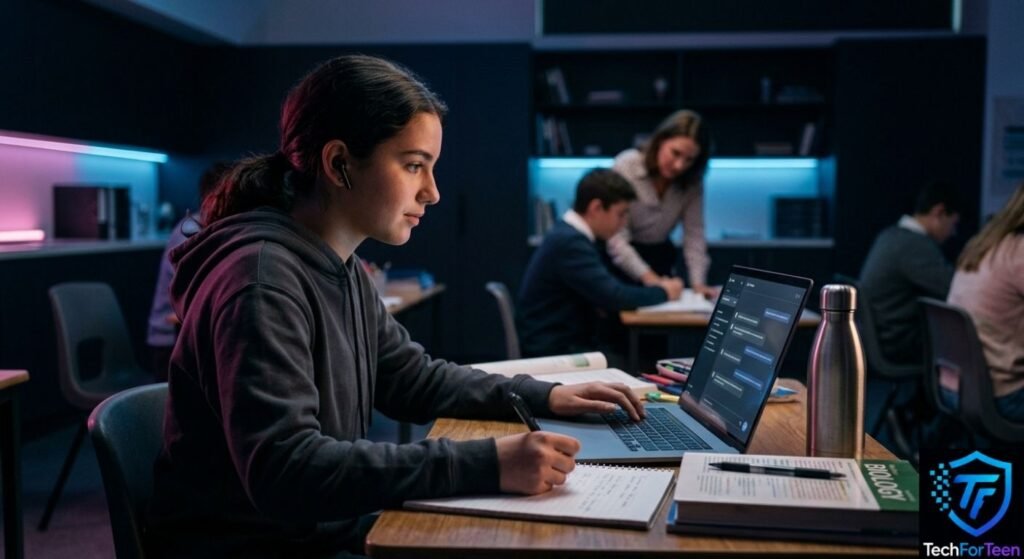
Artificial intelligence is changing the way students and teachers learn every day. One of the most talked about AI tools today is ChatGPT, a smart chatbot that can answer questions, explain topics, and help with writing and research. Many schools and educators are now exploring how AI in education can improve learning experiences while also raising concerns about cheating and overdependence on technology. When used carefully, Benefits of Chat GPT can support personalized learning, boost classroom engagement, and save time for teachers. However, students must also learn how to use AI tools for learning responsibly. This guide explores the benefits, risks, and smart ways to use educational technology in modern classrooms.
What Is ChatGPT and How Does It Work in Education?
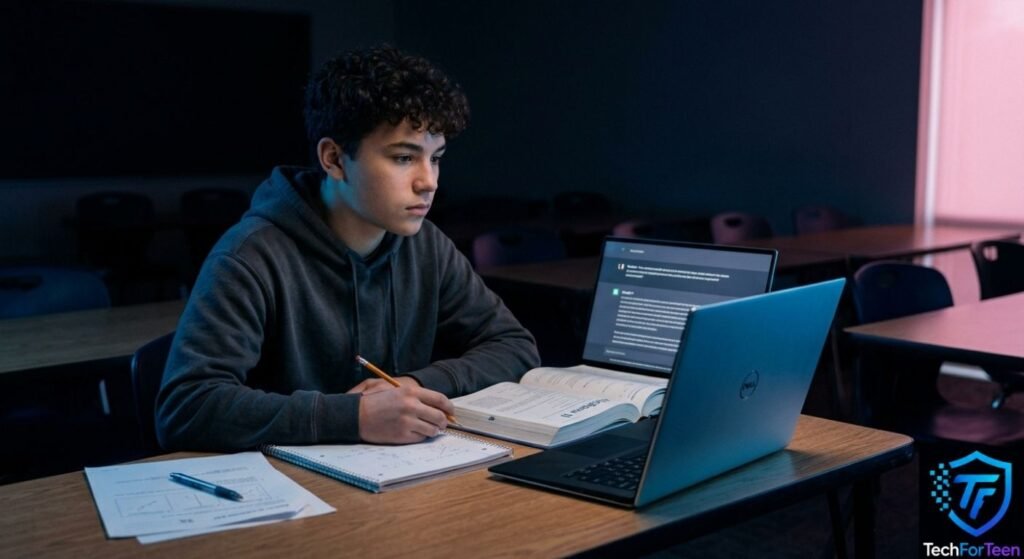
ChatGPT is an AI chatbot designed to understand questions and provide responses in a natural and conversational way. It uses advanced language technology, including Natural Language Processing, to answer questions, explain concepts, summarize content, and assist with writing. Today, students and teachers are increasingly using tools like ChatGPT as part of modern digital learning and classroom support.
For education, ChatGPT can make challenging subjects easier to understand by providing clear explanations and step by step help. Teachers can also use it to prepare quizzes, lesson ideas, worksheets, and other learning materials more efficiently. This can make AI powered education more flexible and engaging for students with different learning needs.
Schools are also looking at ways AI tools can support learning while maintaining responsible and meaningful education. According to UNESCO, AI can be useful in education when it is used ethically and with appropriate guidance. Students should continue to think critically, verify information, and treat AI as a learning aid rather than relying on it for every task.
Benefits of ChatGPT in Education
Personalized Learning Support with ChatGPT
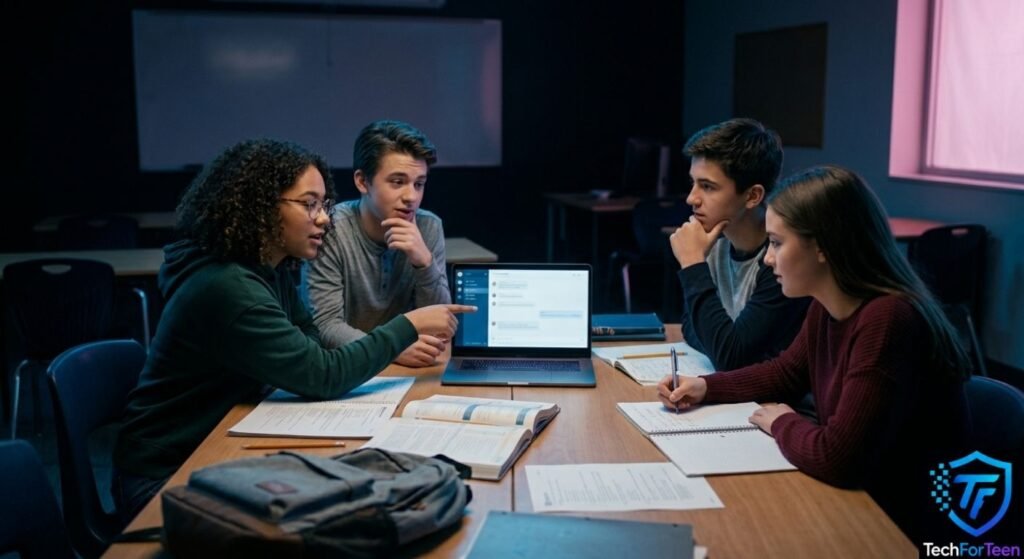
One of the biggest benefits of ChatGPT is personalized learning support. Every student learns at a different speed, and some may need extra help understanding difficult topics. ChatGPT can explain lessons in simpler words, answer questions instantly, and provide examples that match a student’s learning level. This creates a more comfortable and supportive learning experience.
Students can also use AI tools to practice writing, improve grammar, and organize ideas for assignments. This type of personalized learning helps students become more confident and independent while studying. Teachers can guide students on using AI responsibly so learning stays active and meaningful.
ChatGPT for Faster Student Feedback
Quick feedback helps students understand mistakes before they become habits. ChatGPT can review answers, explain errors, and suggest improvements within seconds. This makes learning faster and more interactive, especially during homework or self study sessions.
Instead of waiting a long time for help, students can get support immediately and continue learning without frustration. This fast support is another important benefit of ChatGPT, as it improves student engagement and encourages learners to keep practicing.
Help With Lesson Planning
One of the useful benefits of ChatGPT for teachers is its ability to generate lesson ideas, create outlines, and suggest classroom exercises.
This allows educators to focus more on teaching students instead of spending all their time planning.
AI tools can also help teachers create content for different learning levels. This makes educational technology useful for classrooms with diverse student needs and abilities.
Interactive Learning Activities
Learning becomes more enjoyable when students actively participate in lessons. Teachers can use ChatGPT to create discussion questions, roleplay activities, creative writing prompts, and classroom games. These activities encourage students to think, communicate, and solve problems together.
Interactive lessons also help students stay focused and interested during class. When used properly, AI learning tools can make lessons feel more engaging without replacing the teacher’s role.
Support for Language and Writing Skills
ChatGPT can support students who want to improve reading, writing, and communication skills. It can suggest better sentence structures, explain vocabulary, and help students practice writing clearly. This is especially helpful for students who are learning English as an additional language.
Many students also use AI tools to brainstorm ideas before starting essays or projects. However, students should always review and edit their work carefully to make sure their writing stays original and accurate.
How Teachers Can Use ChatGPT Responsibly
Using AI as a Learning Partner
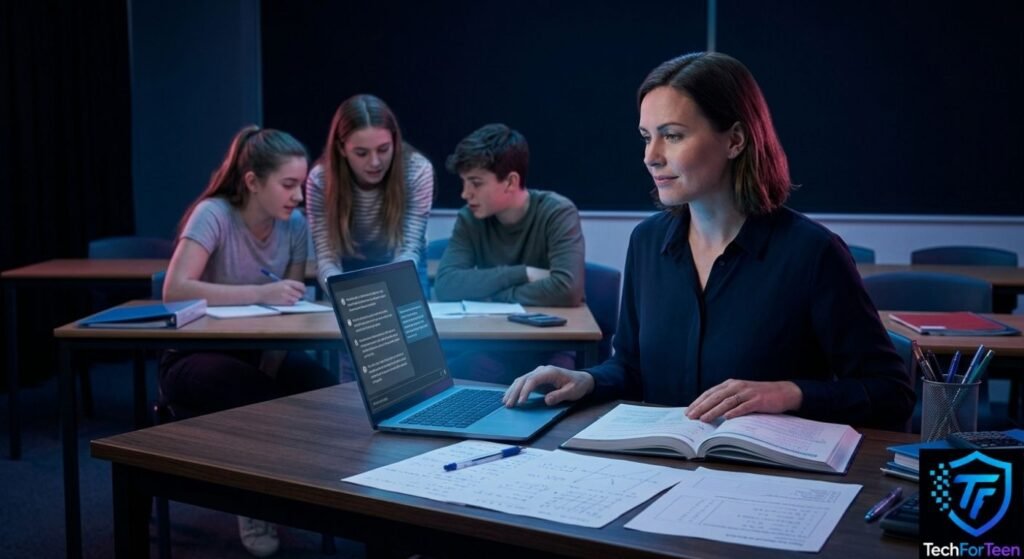
Teachers can use ChatGPT in education as a learning partner instead of allowing it to replace real learning. Students should be encouraged to use AI for brainstorming ideas, asking questions, and understanding difficult topics rather than copying answers directly. This approach helps students stay involved in the learning process while still benefiting from modern technology.
When teachers guide students properly, AI becomes a helpful classroom tool instead of a shortcut. This supports healthy learning habits and encourages students to think independently.
Encouraging Critical Thinking
One important responsibility for teachers is helping students develop strong critical thinking skills. ChatGPT can sometimes provide incomplete or incorrect information, so students should learn how to check facts from trusted sources and compare answers carefully.
Teachers can ask students to analyze AI generated responses, find mistakes, or improve weak explanations. These activities help students build stronger problem solving skills and become more thoughtful learners.
Giving Supportive Feedback
Positive and supportive feedback can improve student confidence and motivation. Teachers can use ChatGPT to create practice questions, explain mistakes gently, and provide learning suggestions in a simple way. This makes feedback feel more encouraging and less stressful for students.
Supportive guidance is especially important for students who struggle with writing, reading, or understanding complex lessons. AI tools can help create a more comfortable learning environment while teachers continue providing personal support.
Creating Engaging Classroom Activities
Teachers can use AI tools to design interactive classroom activities that keep students interested and active during lessons. ChatGPT can help generate debates, creative writing exercises, group discussion topics, and fun learning challenges for different subjects.
These activities improve classroom participation and support interactive learning without making lessons feel repetitive. When used responsibly, AI can help teachers create more dynamic and enjoyable learning experiences for students.
Risks and Challenges of Using ChatGPT in Schools
Academic Integrity and Cheating
One major concern about ChatGPT in education is academic honesty. Some students may use AI tools to complete assignments, essays, or homework without doing the actual learning themselves. This can make it difficult for teachers to measure a student’s real understanding and skills.
Schools and teachers should encourage students to use AI as a support tool rather than a replacement for their own work. Clear classroom rules and honest discussions about responsible AI use can help reduce cheating and improve learning habits.
Incorrect or Biased Information
ChatGPT can sometimes provide inaccurate, outdated, or biased information. Since AI tools learn from large amounts of online data, the answers may not always be fully reliable or balanced. Students who trust every response without checking facts may end up learning incorrect information.
Teachers should remind students to verify important details using trusted educational sources. Fact checking is an important part of digital learning and helps students become smarter researchers.
Overdependence on AI Tools
Another challenge is that students may become too dependent on AI tools for everyday schoolwork. If students rely on ChatGPT for every answer, they may stop practicing important skills like writing, researching, and problem solving on their own.
Learning works best when students actively think, explore ideas, and solve challenges independently. AI should support learning, not replace personal effort and creativity.
Reduced Critical Thinking Skills
Critical thinking is an essential skill for school and future careers. Some educators worry that constant use of AI generated answers may reduce a student’s ability to analyze information deeply or think independently.
Teachers can avoid this problem by creating activities that require discussion, reasoning, and personal opinions. Encouraging students to question AI responses and explain their own ideas helps strengthen critical thinking skills and keeps learning meaningful.
Best Practices for Safe and Effective AI Use
Setting Clear Classroom Rules
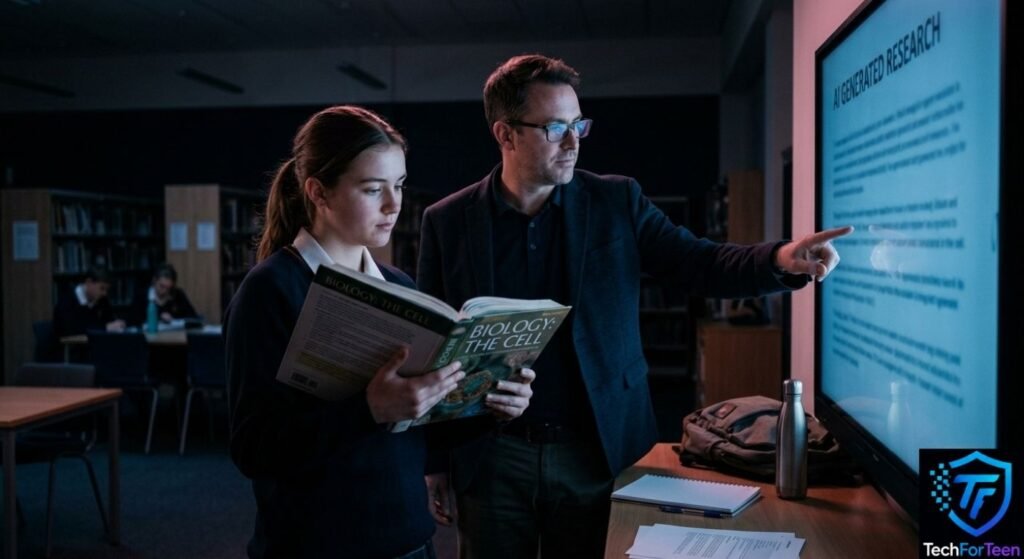
Clear rules help students understand how AI tools should be used in school. Teachers can explain when students are allowed to use ChatGPT and when work must be completed independently. This creates fairness in the classroom and helps students develop responsible learning habits.
Schools can also encourage students to mention when they use AI for brainstorming or research support. Open communication builds trust and supports healthy use of AI in education.
Teaching Students Responsible AI Use
Students should learn that AI tools are meant to support learning, not replace effort or creativity. Teachers can show students how to ask better questions, review AI generated responses carefully, and avoid copying information without understanding it.
Teaching responsible AI habits also helps students become smarter digital learners. This is an important part of modern educational technology and online safety.
Fact Checking AI Responses
ChatGPT can provide useful information, but it is not always correct. Students should always double check facts using trusted educational websites, books, and teacher guidance. Learning how to verify information improves research skills and prevents the spread of false content.
Teachers can also encourage students to compare answers from multiple sources before using information in assignments or projects. This supports stronger learning and better decision making.
Balancing AI With Human Learning
Technology should support education while still keeping human learning at the center. Students still need practice with writing, reading, teamwork, communication, and problem solving without depending fully on AI tools.
Teachers play an important role in guiding discussions, encouraging creativity, and supporting emotional learning. When used in balance, AI learning tools can improve classroom experiences while helping students continue building real world skills.
The Future of AI in Education
How AI May Change Classrooms
Artificial intelligence is expected to become a bigger part of classrooms in the coming years. Schools may use AI tools to create more personalized lessons, faster feedback systems, and interactive learning experiences for students. This could help teachers better support students with different learning styles and academic needs.
As AI in education continues to grow, students may also gain access to smarter study tools that make learning more flexible and accessible both inside and outside the classroom.
Why Teachers Still Matter
Even with advanced technology, teachers will always remain an important part of education. AI tools can provide information and learning support, but they cannot replace human understanding, emotional support, or real classroom connections.
Teachers help students build confidence, communication skills, teamwork, and critical thinking abilities. They also guide students in using technology responsibly and making smart decisions during the learning process.
Balancing Technology and Human Learning
The future of education will likely combine technology with traditional teaching methods. Schools can use AI tools to improve learning experiences while still focusing on creativity, discussion, and independent thinking.
A balanced approach allows students to benefit from modern digital learning without losing important human skills. When used carefully and responsibly, AI can support better education while teachers continue leading and inspiring students every day.
Conclusion
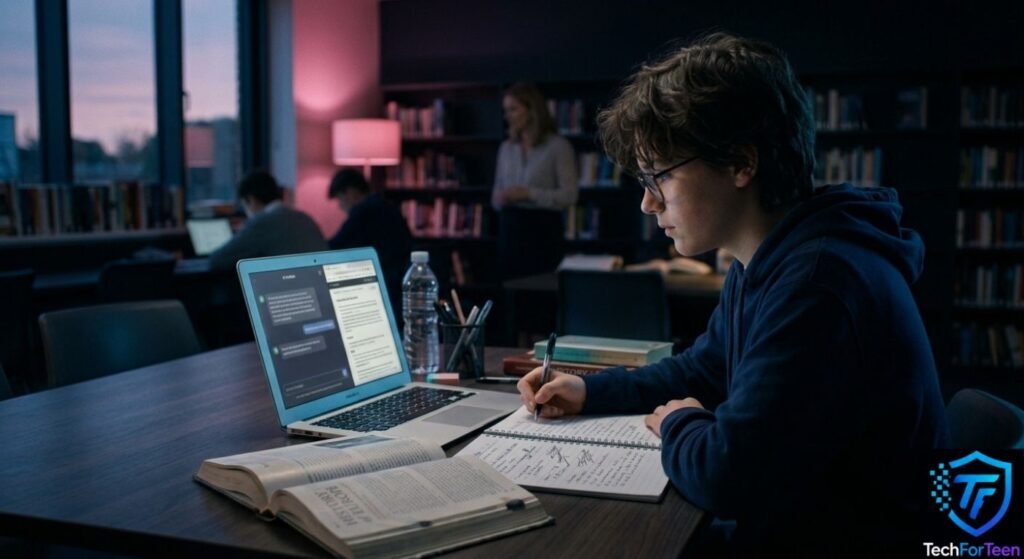
ChatGPT is becoming a growing part of modern AI in education, offering several benefits of ChatGPT while also creating new challenges. It can help students understand lessons more quickly, provide useful explanations, and assist teachers with lesson planning and classroom activities. However, concerns such as academic honesty, overreliance on AI, and inaccurate information also need attention.
The most important thing is to use AI in a balanced way. When used responsibly, ChatGPT in education can support better learning without taking away the effort, creativity, and critical thinking students need to develop. Teachers can help students use AI properly by encouraging them to verify information, think independently, and focus on learning instead of simply copying answers.
In the coming years, education may combine traditional teaching methods with advanced AI learning tools. When schools and students use these technologies thoughtfully, AI can help create a more engaging, supportive, and effective learning experience.